Essential Dental Care: Your Guide to Glam & Smile
Dental care is often overlooked, yet it plays a crucial role in our overall health and confidence. A bright, healthy smile can open doors, boost self-esteem, and enhance your appearance. In this comprehensive guide, we will explore essential dental care practices that will help you achieve that glamorous smile you’ve always wanted.
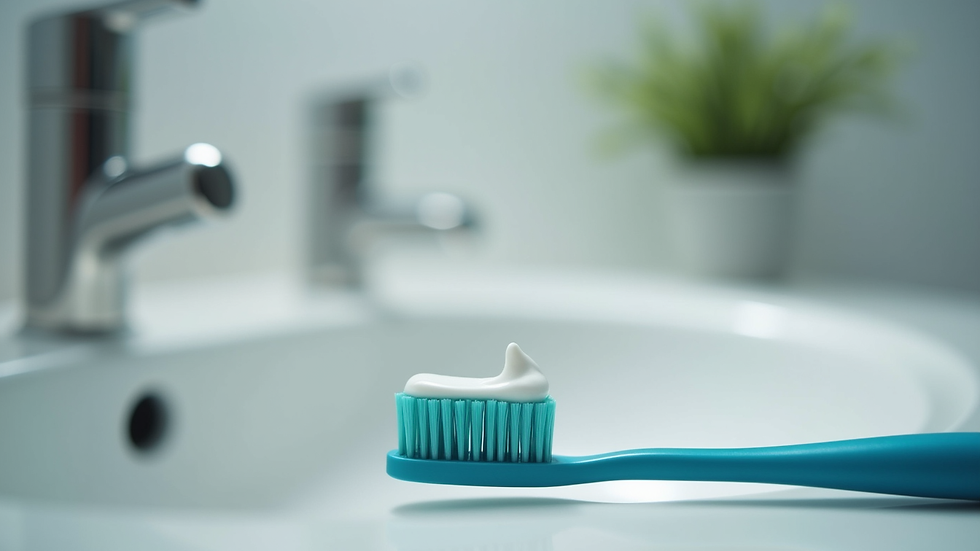
Understanding the Importance of Dental Care
Dental care goes beyond just aesthetics. It is vital for maintaining oral health and preventing various health issues. Poor dental hygiene can lead to cavities, gum disease, and even systemic health problems such as heart disease and diabetes. Here are some key reasons why dental care is essential:
Prevention of Tooth Decay: Regular brushing and flossing help remove plaque, a sticky film of bacteria that can lead to cavities.
Gum Health: Healthy gums are crucial for supporting your teeth. Neglecting gum care can result in gum disease, which may lead to tooth loss.
Fresh Breath: Good oral hygiene practices help eliminate bad breath, allowing you to feel more confident in social situations.
Overall Health: Research has shown a link between oral health and overall health. Maintaining good dental hygiene can reduce the risk of serious health conditions.
Daily Dental Care Routine
Creating a daily dental care routine is the foundation of maintaining a healthy smile. Here’s a step-by-step guide to help you establish effective habits:
1. Brush Your Teeth Twice a Day
Brushing your teeth is the most important step in your dental care routine. Here’s how to do it effectively:
Choose the Right Toothbrush: Use a soft-bristled toothbrush that fits comfortably in your mouth.
Use Fluoride Toothpaste: Fluoride helps strengthen tooth enamel and prevent decay.
Brush for Two Minutes: Spend at least two minutes brushing your teeth, ensuring you cover all surfaces—front, back, and chewing surfaces.
Angle Your Brush: Hold your toothbrush at a 45-degree angle to your gums to effectively remove plaque.
2. Floss Daily
Flossing is essential for removing food particles and plaque from between your teeth, where your toothbrush can’t reach. Follow these steps:
Use Enough Floss: Take about 18 inches of dental floss and wrap it around your fingers.
Gently Slide Between Teeth: Use a gentle sawing motion to slide the floss between your teeth. Avoid snapping it into your gums.
Curve the Floss: Curve the floss around each tooth in a C shape and slide it up and down to clean the sides.
3. Rinse with Mouthwash
Using an antimicrobial mouthwash can help reduce plaque and gingivitis. Here’s how to incorporate it into your routine:
Choose the Right Mouthwash: Look for a mouthwash that contains fluoride and is alcohol-free to avoid drying out your mouth.
Follow Instructions: Rinse for the recommended time, usually 30 seconds to one minute, and avoid swallowing.
4. Maintain a Healthy Diet
What you eat plays a significant role in your dental health. Here are some dietary tips:
Limit Sugary Foods: Sugary snacks and drinks can lead to tooth decay. Opt for healthier snacks like fruits, vegetables, and nuts.
Stay Hydrated: Drinking water helps wash away food particles and bacteria.
Include Calcium-Rich Foods: Foods like dairy products, leafy greens, and almonds can strengthen your teeth.
Regular Dental Check-Ups
Even with a solid daily routine, regular dental check-ups are crucial for maintaining oral health. Here’s what to expect during your visit:
1. Professional Cleaning
During your dental visit, a hygienist will perform a thorough cleaning to remove tartar buildup that brushing and flossing may miss. This helps prevent gum disease and cavities.
2. Oral Examination
Your dentist will examine your teeth and gums for any signs of decay or disease. They may also check for oral cancer and other health issues.
3. X-Rays
X-rays are often taken to identify problems that are not visible during a regular examination, such as cavities between teeth or issues with the jawbone.
4. Personalized Advice
Your dentist can provide personalized advice based on your oral health needs. This may include recommendations for specific products or treatments.
Special Considerations for Dental Care
Certain factors may require additional attention in your dental care routine. Here are some considerations:
1. Orthodontic Care
If you wear braces or other orthodontic appliances, maintaining oral hygiene can be more challenging. Here are some tips:
Use Orthodontic-Specific Tools: Consider using a floss threader or an interdental brush to clean around braces.
Be Mindful of Your Diet: Avoid sticky or hard foods that can damage braces.
2. Dental Sensitivity
If you experience tooth sensitivity, it’s essential to address it. Here’s what you can do:
Use Desensitizing Toothpaste: These products can help reduce sensitivity over time.
Consult Your Dentist: If sensitivity persists, consult your dentist for further evaluation.
3. Caring for Children’s Teeth
Establishing good dental habits early is crucial for children. Here are some tips for parents:
Start Early: Begin cleaning your child’s gums even before their teeth erupt.
Make Brushing Fun: Use colorful toothbrushes and fun toothpaste flavors to encourage your child to brush.
Regular Check-Ups: Schedule dental visits for your child as soon as their first tooth appears.
Cosmetic Dental Care Options
If you’re looking to enhance your smile further, there are various cosmetic dental procedures available. Here are some popular options:
1. Teeth Whitening
Teeth whitening treatments can help remove stains and brighten your smile. Options include:
In-Office Treatments: Professional whitening treatments performed by a dentist can provide quick results.
At-Home Kits: Over-the-counter whitening kits are available, but results may vary.
2. Veneers
Dental veneers are thin shells of porcelain or composite resin that cover the front surface of teeth. They can correct issues such as:
Discoloration: Veneers can mask stains that whitening cannot remove.
Chips or Gaps: They can also improve the appearance of chipped or uneven teeth.
3. Bonding
Dental bonding involves applying a tooth-colored resin to repair chips or gaps. It is a quick and cost-effective solution for minor imperfections.
Maintaining Your Glamorous Smile
Achieving a glamorous smile requires ongoing effort. Here are some tips to maintain your results:
Stay Consistent: Stick to your daily dental care routine and attend regular check-ups.
Avoid Staining Foods: Limit consumption of coffee, tea, and red wine, which can stain teeth.
Use a Straw: When drinking staining beverages, use a straw to minimize contact with your teeth.
Final Thoughts
Your smile is one of your most valuable assets. By prioritizing dental care, you can achieve and maintain a glamorous smile that boosts your confidence and enhances your overall health. Remember, the journey to a beautiful smile starts with daily habits and regular dental visits. Take action today to ensure your smile shines bright for years to come!
Comments